

When most of Randpark Ridge settles down for the evening, another part of our neighbourhood begins to stir.
Owls watch quietly from branches and rooftops. Bats move swiftly across the evening sky in search of insects, while moths, frogs, geckos, beetles and other small creatures emerge from their daytime shelters.
These nocturnal neighbours often go unnoticed, yet they form an important part of the biodiversity that makes Randpark Ridge such a special place to live.
October is the perfect time to discover what happens in our gardens after sunset and to consider how our homes can provide safer spaces for the wildlife sharing our neighbourhood. With two special RRA events taking place this month, conservation and community spirit are firmly in focus
During the day, our gardens are alive with birds, bees, butterflies and other familiar visitors. After sunset, the cast changes.
Many animals are nocturnal and most active at night, while others emerge around dawn or dusk. These quieter hours allow wildlife to feed, move between habitats and avoid the heat and activity of the day.
An evening garden may welcome
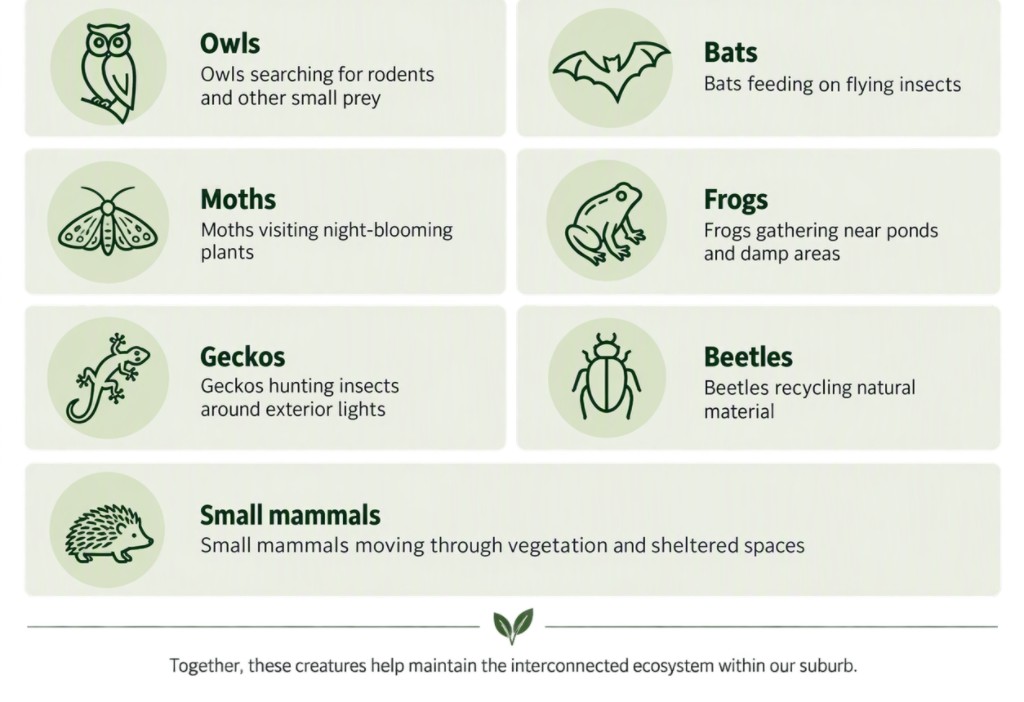
Owls: The Silent Hunters Above Us
Owls are among the most fascinating after-dark visitors to suburban areas. Their quiet flight, sharp hearing and excellent night vision make them highly effective hunters.
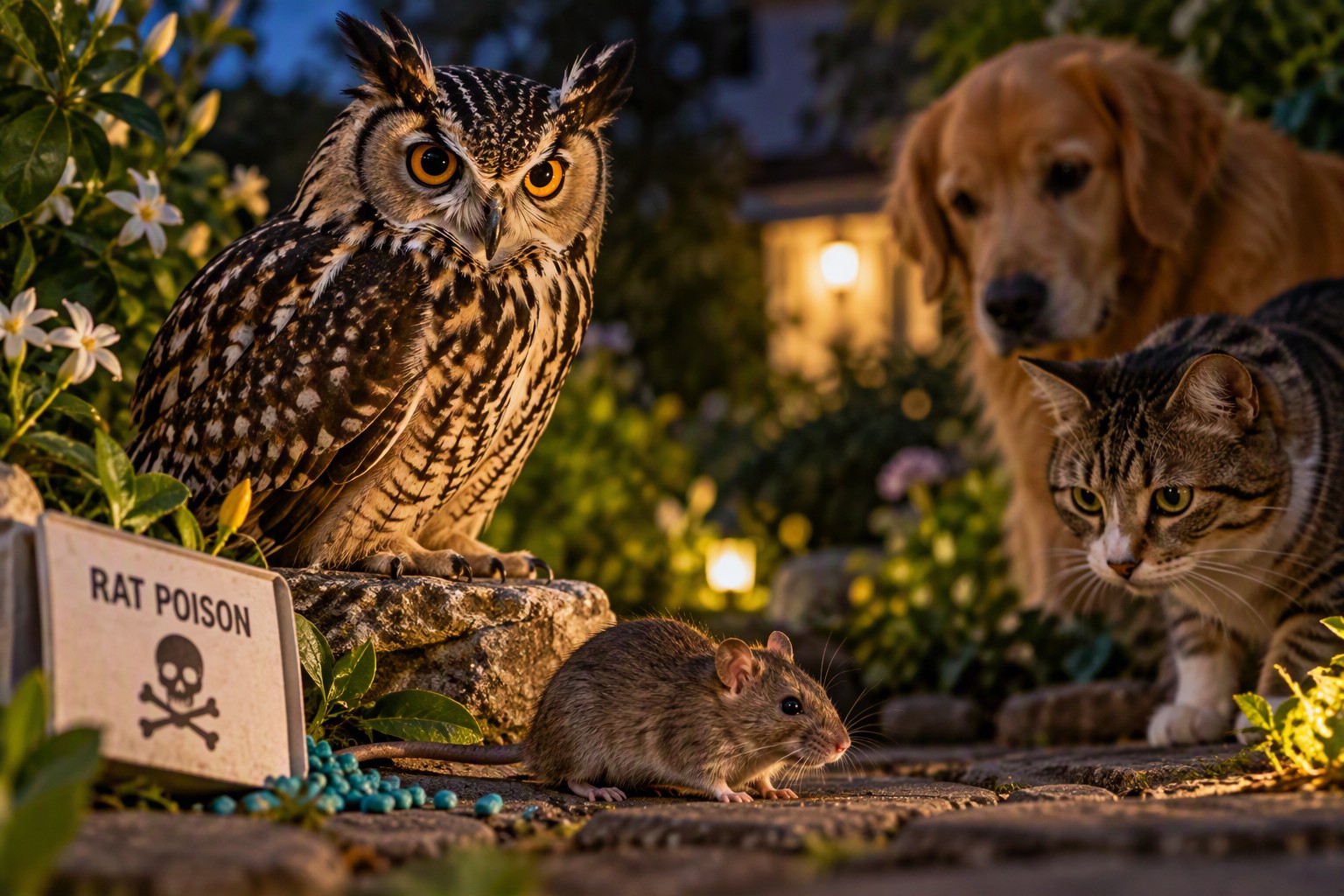
They also contribute to natural rodent control. Unlike poison, which can move through the food chain and harm animals that were never the intended target, owls hunt rodents directly.
Secondary poisoning can occur when an owl consumes a rodent that has ingested poison. Avoiding harmful rodenticides is therefore one of the most important ways residents can support owl conservation.
OwlProject.org promotes owl education and conservation, as well as a greater understanding of the valuable role owls play as natural partners in managing rats.
Draw Owls to Your Garden
Residents wishing to make their gardens more welcoming to owls can consider installing a purpose-designed owl box.
Owl boxes replicate the natural cavities found in trees and can provide suitable nesting or roosting spaces where natural options are limited. The design should be appropriate for the owl species found in the area, while its height, orientation, placement and maintenance can all influence whether it becomes a viable nesting space.
Professional guidance is recommended when selecting and installing an owl box. A correctly positioned box should provide a secure space that is protected from excessive heat, disturbance and predators.
Residents can help create a more suitable surrounding habitat by retaining mature trees, limiting bright lighting near the box, keeping the area peaceful and avoiding rodent poison.
If you are fortunate enough to hear an owl calling at night, take a moment to enjoy it. Its haunting yet calming call forms part of the natural soundscape of our neighbourhood and reminds us that even a busy suburb can support remarkable wildlife.
Owls should always be observed quietly and from a respectful distance. Avoid shining bright lights at them, approaching their nesting areas or attempting to feed or handle them.
An owl box may take time to attract occupants. Correct positioning, a peaceful environment and ongoing maintenance are important.
Why Poison Can Harm More Than Its Intended Target
Rodent poison may appear to offer a quick solution, but its effects can extend far beyond the animal it was intended to control.
A poisoned rodent may leave a property before it dies. If it is then eaten by an owl or another predator, the toxin can pass into that animal. Pets and other wildlife may also be placed at risk.
Poison-free prevention is therefore the safer starting point.
Choose Prevention Before Poison
Residents can make their properties less attractive to rodents by:
- Keeping refuse securely contained
- Cleaning up spilled birdseed and pet food
- Storing animal feed in sealed containers
- Removing unnecessary clutter and unused materials
- Limiting access to outdoor food and water
- Closing gaps through which rodents may enter buildings
- Keeping outdoor cooking and food-preparation areas clean
- Seeking advice on humane, non-toxic pest-control methods
Bats: Our Night-Time Insect Patrol
Bats are often misunderstood, but they play valuable roles in healthy ecosystems.
Many bats feed on flying insects, using echolocation to navigate and locate their prey in darkness. By providing natural insect control, they can help reduce our dependence on pesticides. Bats can also contribute to pollination and seed dispersal.
Watching bats dart and swoop through the twilight sky is a wonderful reminder that nature remains active around us after sunset.
Bats do not need to be feared. If they are roosting inside a roof or another part of a building, however, they should not be trapped, poisoned or removed without expert guidance. A qualified wildlife specialist can provide humane wildlife assistance that protects both residents and the animals.
Where to Find Owl and Bat Boxes
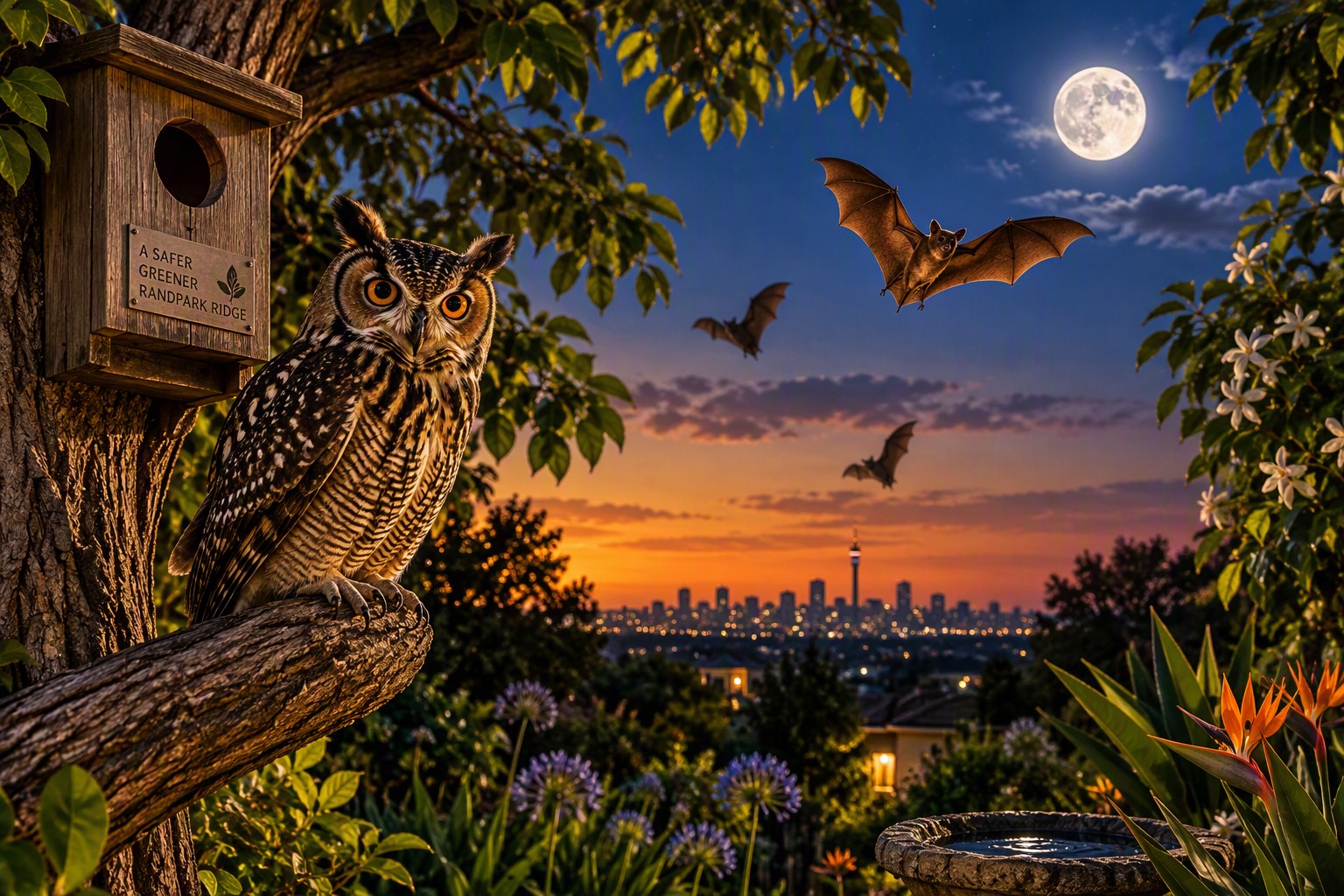
Residents interested in installing an owl or bat box can obtain products, conservation information or guidance from the following organisations.
EcoSolutions Urban Ecology manufactures, installs and manages owl boxes for Spotted Eagle-Owls and Barn Owls. It also manufactures various bat-house designs and provides guidance on suitable installation and positioning.
EcoSolutions operates from Lifestyle Business Park at Lifestyle Garden Centre in Randpark Ridge.
Join the Owl Project 5km Run & Walk
Saturday, 10 October 2026
Residents, families, friends and their four-legged companions are invited to enjoy the outdoors while supporting awareness of the beautiful owl species that share our area.
Whether you are an experienced runner or prefer a relaxed walk, the event offers an opportunity to combine movement, conservation and community spirit.

Creating a Wildlife-Friendly Garden
You do not need a large garden to support biodiversity. A few thoughtful choices can make a meaningful difference.
Preserve Natural Shelter
Where it is safe to do so, retain established trees, shrubs and areas of dense planting. These provide shelter, resting places and movement corridors for wildlife.
A garden does not need to be perfectly manicured in every corner. A quiet area with leaves, mulch and natural cover can provide a valuable refuge for insects, frogs and other small creatures.
Reduce Pesticide Use
Insects are an essential part of the food web. They feed bats, birds, frogs, geckos and many other animals.
Broad pesticide use may remove beneficial insects together with unwanted ones. Before using a chemical product, consider whether the insect is causing genuine harm and whether a more targeted, wildlife-sensitive solution is available.
Include Different Layers of Planting
Gardens containing groundcovers, grasses, flowers, shrubs and trees generally offer more shelter and feeding opportunities than gardens consisting mainly of lawn.
Where possible, choose locally appropriate indigenous plants that support insects, birds and other wildlife
Provide Water Safely
A shallow, clean source of water can assist wildlife during warmer and drier periods. Add stones or stable landing points so that insects and small animals can climb out easily.
Clean water containers regularly and position them where wildlife can approach without being exposed to unnecessary danger from pets or heavy foot traffic.
Let There Be Light, but Not Too Much
Outdoor lighting helps residents move safely around their properties, but excessive or poorly directed light can disturb the natural darkness on which nocturnal animals depend.
- Residents can use lighting more thoughtfully by:
- Directing lights towards paths and entrances rather than into trees
- Using motion sensors where constant lighting is unnecessary
- Switching off decorative lights when they are no longer needed
- Avoiding very bright lights near nesting or roosting areas
- Closing curtains or blinds to reduce unnecessary light spilling outside
The intention is not to compromise household safety, but to ensure that outdoor lighting serves a clear purpose without illuminating the entire garden throughout the night.
What to Do if You Find Injured Wildlife
Finding an owl, bat or other wild animal on the ground can be distressing. Acting carefully is important.
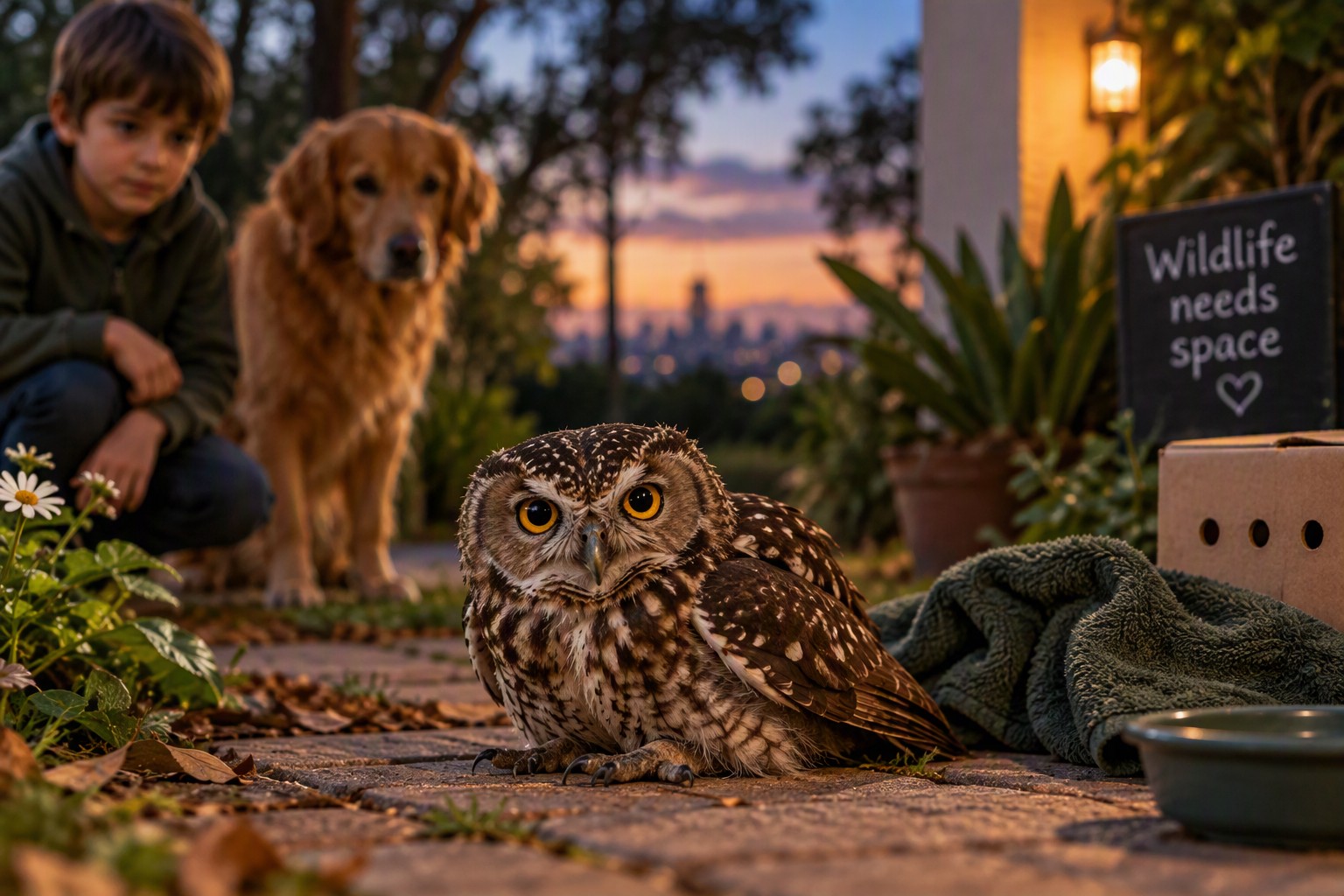
Immediate actions
- Keep children and pets away.
- Reduce noise and activity in the immediate area.
- Do not offer food, water or medication.
- Do not attempt to handle the animal unless instructed by a qualified rescuer.
- Contact an appropriate wildlife rescue or rehabilitation organisation for guidance.
A Neighbourhood Alive After Dark
Protecting local wildlife does not require every garden to become a formal sanctuary.
By avoiding poison, reducing unnecessary pesticide use, preserving natural shelter, directing outdoor lighting carefully and providing correctly installed nesting or roosting boxes, residents can make their properties safer and more welcoming for nocturnal wildlife.
When many households make small, responsible changes, the combined effect can extend throughout the neighbourhood.
Randpark Ridge is more than its roads, homes and public spaces. It is also a living environment shared with owls, bats, insects and many other creatures.
Their presence enriches our gardens, contributes to the balance of local ecosystems and reminds us that nature can thrive remarkably close to home.
This October, let us enjoy the warmer evenings, listen for calls from the trees and look up when something moves across the twilight sky.
By reducing unnecessary hazards and working with nature rather than against it, we can help ensure that Randpark Ridge remains a welcoming community for residents and wildlife alike.
When the sun goes down, our neighbourhood does not go to sleep. It simply begins a different shift.
Small, responsible changes at home can help keep Randpark Ridge welcoming for residents and wildlife alike.