
Living sustainably is not just a global responsibility—it is something that starts right at home. In a leafy suburb like Randpark Ridge, where gardens thrive and community pride runs deep, small everyday choices can make a big difference. Whether you are a seasoned eco‑warrior or just starting your green journey, this guide offers practical steps to help you reduce waste, recycle smarter, and create a more sustainable household in 2026.
1. Recycling Made Simple: What Goes Where
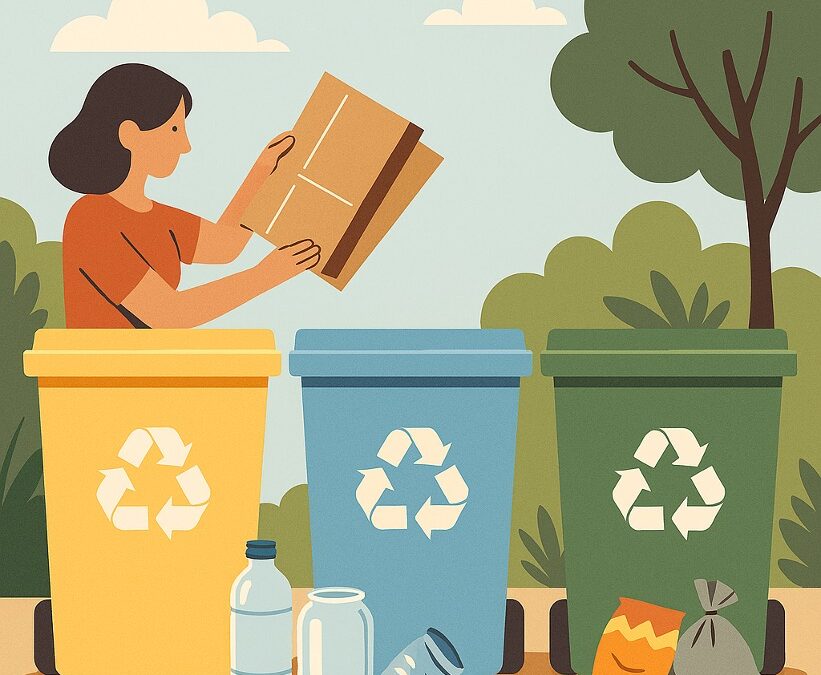
Recycling can feel confusing, but a clear system at home makes everything easier. Start with three main categories:
✔ Paper & Cardboard
Magazines, cardboard boxes, office paper, cereal boxes, and old envelopes.
Tip: Flatten boxes before disposal to save space.
✔ Plastics, Glass & Tins
Plastic bottles, yogurt tubs, glass jars, cold drink cans, tinned food containers, and metal lids.
Tip: Rinse containers to prevent insects and odors.
✔ Non-Recyclables (Landfill Waste)
Items like chip packets, cling wrap, polystyrene, and food-soiled packaging.
If you are unsure about an item, use the rule: if it is dirty, mixed-material, or flimsy—it likely is not recyclable.
2. Composting at Home: Turning Scraps into Soil
Composting is one of the easiest ways to cut your household waste by nearly half. Even better, it enriches your garden soil naturally perfect for Randpark Ridge’s many home gardeners.
What You Can Compost
-
- Fruit and vegetable scraps
- Coffee grounds & tea leaves
- Crushed eggshells
- Garden cuttings, leaves, and grass
- Shredded newspaper or cardboard
What You Should Not Compost
-
- Meat, bones, dairy
- Oils or cooked food
- Pet waste
Getting Started
Choose between:
-
- A basic heap in a corner of your garden
- A closed compost bin (ideal for neat gardens)
- A vermicomposting (worm) bin for faster results
Turn your pile every 1–2 weeks for best results, and after a few months, you will have rich compost for lawns, flowers, herbs, or veggie patches.
3. Reducing Household Waste: Small Habits, Big Impact
Going greener does not mean going without. It is about choosing smarter, longer-lasting alternatives.
Reusable Swaps
-
- Cloth shopping bags
- Refillable water bottles
- Glass or metal food containers
- Reusable coffee cups
Buy Less, Choose Better
opt for:
-
- Durable goods over cheap disposables
- Local fresh produce (less packaging!)
- Bulk-buying to reduce plastic use
Repair Instead of Replace
Randpark Ridge is surrounded by small repair businesses—shoe menders, tailors, appliance repair shops—making it easy to extend the life of everyday items.
4. Smarter Waste Management at Home
A well‑organised waste system helps the whole household participate.
Set Up a Three-Bin Station
- Recycling bin – bright, easy to access
- Compost container – small bin on the counter for food scraps
- Landfill waste – the smallest bin (aim to make this one the least used!)
Avoid Contamination
One wrong item can ruin an entire recycling batch.
Teach kids and guests with a simple sign or color-coded system.
5. Green Garden Practices for a Sustainable Home
Your outdoor space can be just as eco-friendly as your indoor habits.
Mulch Your Garden: Use shredded leaves or compost to keep soil moist and reduce watering.
Plant Indigenous: Local plants thrive in Johannesburg’s climate, need less water, and support local birdlife.
Collect Rainwater: Rain barrels or small tanks are perfect for topping up gardens during dry spells.
A Greener Randpark Ridge Starts at Home
With a few mindful habits, your household can significantly reduce waste, support a healthier environment, and even save money along the way. Whether you begin with composting, recycling, or simply swapping plastic for reusable alternatives, every step counts.